Five Plumbing Emergencies You Should Never Try to Fix Yourself
Many homeowners are happy to unblock a sink or replace a washer, and that is perfectly reasonable. But some plumbing problems are dangerous, can cause serious damage if handled badly or involve work that the law says only registered professionals may carry out. Knowing where the line sits can protect your family, your home and your insurance cover. Here are five emergencies where the right move is to make things safe and call an expert.
Why some jobs are not DIY
The difficulty with plumbing emergencies is that they feel urgent, and urgency tempts people into quick fixes. Yet water, gas, sewage and electricity all carry risks that are easy to underestimate. A provider of emergency plumbing help such as Heroes Emergency Plumbers exists for exactly these situations, where a safe, fast and correct repair matters more than saving a call-out fee.
A good test is to ask three questions. Is there a risk to health or safety? Could a mistake make the damage much worse? Does the work legally require a qualified person? If the answer to any of them is yes, stop and call a professional.
1. A smell of gas near a boiler or pipework
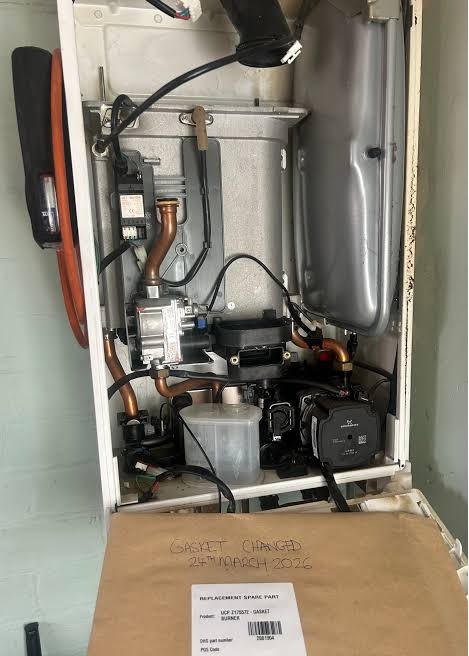
If you smell gas, treat it as an emergency, not a plumbing job. Gas leaks can cause fires, explosions and carbon monoxide poisoning.
Do this immediately:
- Open doors and windows to ventilate the area.
- Turn off the gas at the meter if you can do so safely.
- Do not use naked flames, light switches, electrical appliances or phones inside the property.
- Leave the building and call the National Gas Emergency Service on 0800 111 999 from outside.
Gas work must only be carried out by an engineer on the Gas Safe Register. The HSE’s advice for homeowners explains how to check an engineer’s ID card and what to do if you suspect a leak. Do not attempt to tighten fittings or find the leak yourself.
2. Sewage backing up into the home
When foul water rises through a toilet, shower or floor drain, it is not just unpleasant. Sewage carries bacteria and viruses that can make people ill. It may also mean a serious blockage or damage in the drain, which a plunger cannot cure.
While you wait for help:
- Stop using toilets, sinks, washing machines and dishwashers so that no more water enters the drains.
- Keep children and pets away from affected areas.
- Wear waterproof gloves and boots if you must go near the area.
- Check whether your neighbours are affected, as it may be a shared sewer that your water company is responsible for.
Avoid harsh drain chemicals, which can splash and may react with other substances.
3. A major burst or flooding
A small drip is one thing. A pipe that has split and is pouring water into walls, ceilings or floors is another. Attempting to repair a major burst while the water is still running rarely works, and you risk injury or electric shock.
Turn off the water at the main stopcock first. If water is near electrics, switch off the power at the consumer unit only if you can reach it safely. Then call for help. A professional can locate the burst, cut out the damaged section, make a durable repair and advise on drying out. Hidden leaks behind walls often need specialist equipment to find.
4. No heating or hot water because of a faulty boiler
A boiler that has failed in cold weather feels like an emergency, particularly with children, older relatives or anyone vulnerable at home. But boilers contain gas, electrics and pressurised water, so repairs are a job for a registered engineer.
You can safely check a few things before calling:
- Whether the boiler has power and the gas supply is on.
- Whether the pressure gauge reads within the range in the manufacturer’s manual.
- Whether the thermostat and timer are set correctly.
- Whether a fault code is displayed, which you can read out to the engineer.
Never remove the boiler casing or tamper with internal parts. If you suspect carbon monoxide, which can cause headaches, dizziness and nausea, get everyone into fresh air and seek urgent advice. A working carbon monoxide alarm in your home is essential.
5. Water near electrics
A leak running through a light fitting, water pooling around sockets or a wet consumer unit combines two hazards in one. Water conducts electricity, and even a small amount in the wrong place can be lethal.
Do not touch anything electrical while standing in or near water. If it is safe to reach the consumer unit, switch off the power. If it is not, call your electricity network operator or the emergency services. Then contact both a plumber to stop the water and an electrician to check the installation before anything is switched back on. Items that have been wet may be unsafe even after drying.
What to do while you wait
While you are waiting for an engineer, a few steps help in nearly every emergency:
- Make the area safe and keep everyone away from it.
- Turn off the water at the stopcock where relevant.
- Take photos for your insurer.
- Note what happened and when, so you can describe it clearly.
- Keep your phone charged and your access clear so that the professional can start straight away.
It is natural to want to fix a problem yourself, and for many small jobs you can. But for gas, sewage, major floods, boiler faults and water near electrics, the safest and often the cheapest option in the long run is to stay out of the way and let a qualified professional do the work.